Facade Cladding Systems
Facade cladding systems are exterior wall solutions that envelop a building’s outer shell with high performance in terms of aesthetics, functionality, and technical value. These systems not only enhance architectural design but also contribute to sustainable and long-lasting buildings by improving energy efficiency.
Independent of Load-Bearing Structure
Cladding systems are installed using anchorage mechanisms and do not impose load on the building’s structural system.
Thermal, Acoustic, and Water Insulation
Advanced insulation materials ensure energy savings and improve indoor comfort.
Aesthetic Diversity
A wide range of colors, textures, and surfaces offer freedom in modern architectural designs.
Lightweight and Durable Materials
Materials such as aluminum, composite panels, glass, and natural stone offer both durability and reduced structural load.
Low Maintenance and Long Service Life
Resistant to outdoor weather conditions, these systems require minimal maintenance while maintaining maximum performance.
Types of Facade Cladding Systems
Aluminum Composite Panel Systems
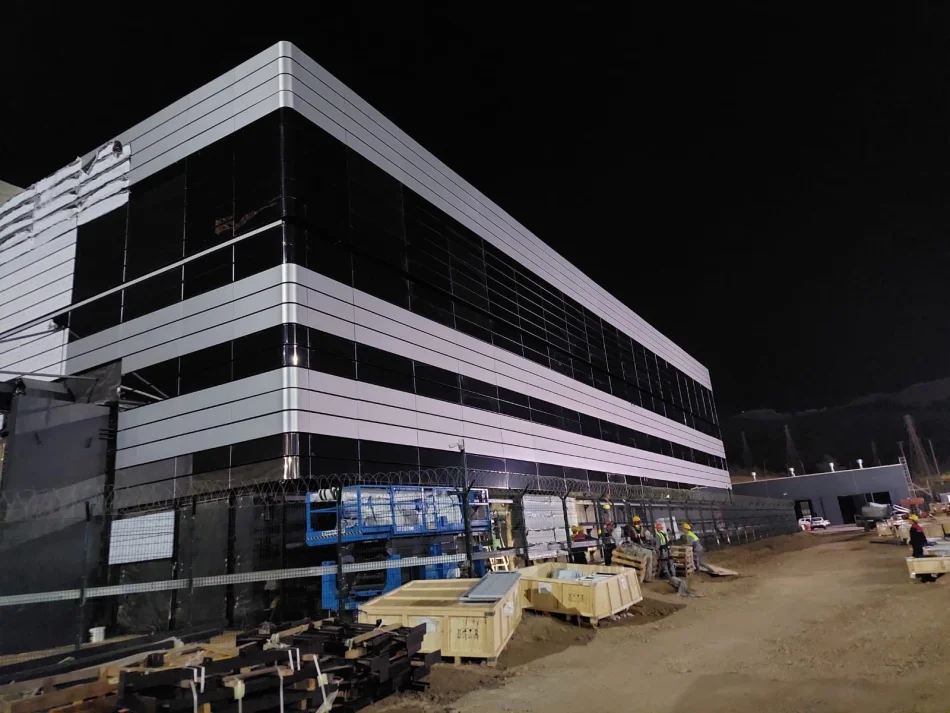
Consisting of two aluminum sheets bonded to a core material, this system offers high strength and lightweight performance. It is one of the most widely used cladding options in modern architecture.
Glass Facade Systems
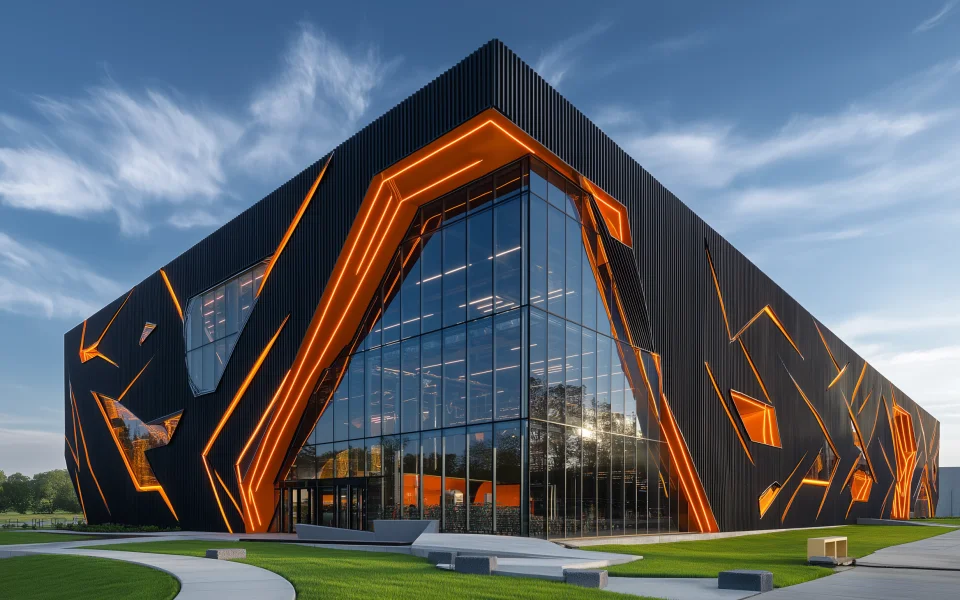
Ideal for projects that aim for transparency and openness. Combining aesthetics and functionality with tempered or laminated glass options.
Natural Stone Cladding
Using materials such as granite and marble, this system provides a solid and prestigious appearance, often preferred for corporate buildings.
Ceramic and Porcelain Tile Facades
Highly resistant to heavy use and weather conditions. These cladding systems combine durability with design flexibility through a variety of colors and surface textures.
Wood-Effect Cladding Systems
Perfect for projects seeking a warm, natural appearance. Special treatments protect against external environmental conditions.
Metal Facades (Corten, Titanium, Zinc)
Prominent in modern and industrial architecture, these systems use specialized metal alloys for a distinctive, long-lasting aesthetic.
Application Areas
-
Industrial facilities
-
Shopping malls and hotel projects
-
Office and commercial buildings
-
Residential complexes
-
Healthcare and educational buildings


The surface materials may include aluminum composite panels, glass, natural stone, ceramic, metal panels, and wood-look materials.
Surface thicknesses vary: composite panels range from 4 mm to 6 mm, glass panels from 6 mm to 24 mm, and natural stone from 20 mm to 40 mm.
The insulation layer may consist of stone wool, glass wool, EPS, XPS, or polyurethane-based thermal insulation boards.
Fire resistance options are available up to classes B-s1, d0 / A2-s1, d0 according to EN 13501-1.
The thermal insulation value (U-value) depends on panel structure and insulation thickness, ranging between 0.11 and 0.40 W/m²K.
Air, water, and wind insulation is ensured through drainage channels, EPDM gaskets, special sealants, and waterproofing tapes, aiming for 100% sealing.
The wind load resistance can range from 1.5 to 5.0 kPa depending on system design and building height.
The installation tolerance allows for ±2 mm adjustment in both vertical and horizontal directions.
A variety of colors and textures are available, including RAL-colored surfaces, wood-patterned coatings, natural stone textures, and matte or glossy glass finishes.
UV and external durability is guaranteed for 10–20 years on PVDF or polyester-coated surfaces.
Maintenance requirements are minimal, with only one cleaning recommended per year for long-term performance.